Soothing Dandelion Rosemary Tea
Highlighted under: Healthy Choice Recipes
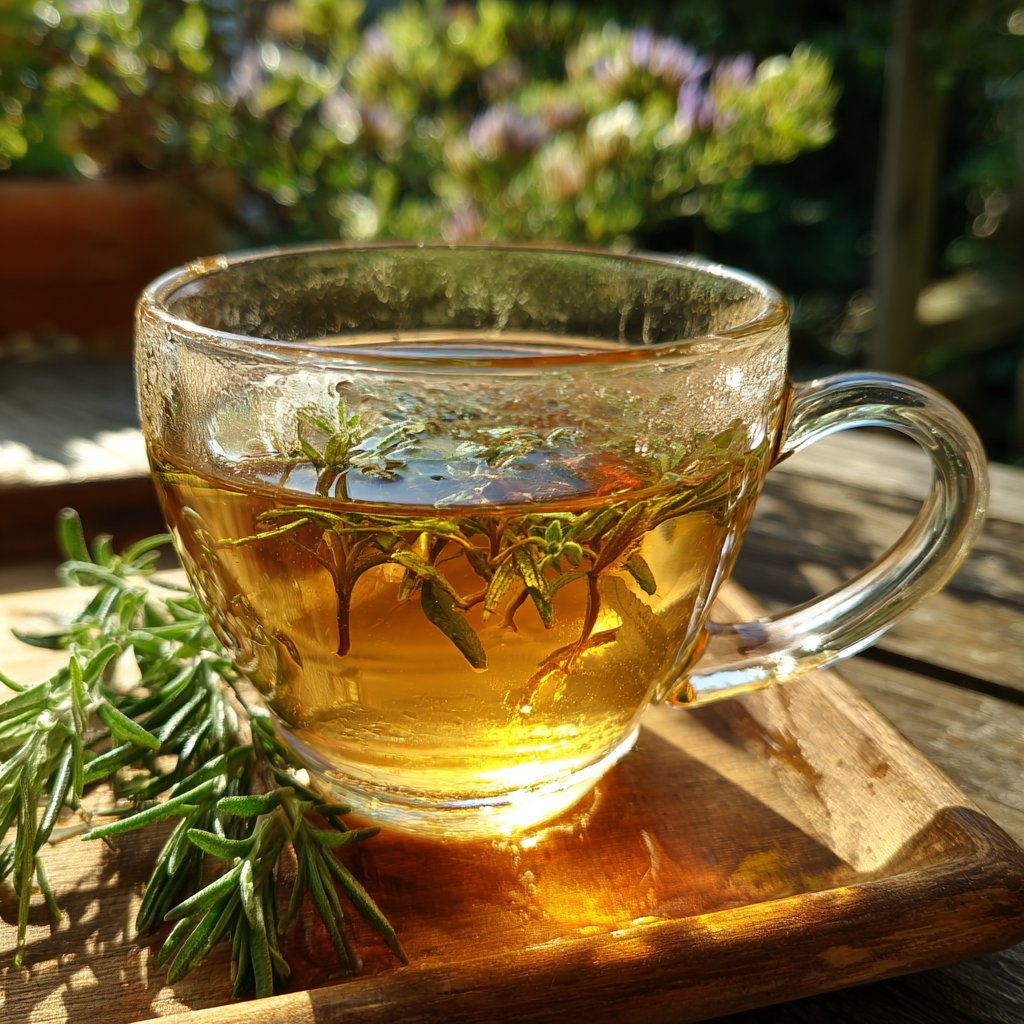
I love making Soothing Dandelion Rosemary Tea on chilly afternoons. The comforting aroma of rosemary combined with the earthy notes of dandelion truly creates a relaxing atmosphere in my home. Each sip envelops me in warmth, making it a perfect drink to unwind after a long day. Plus, it's incredibly easy to prepare! I appreciate how the ingredients invite a sense of calm while also offering potential health benefits, which motivates me to brew this delightful tea often.
Creating Soothing Dandelion Rosemary Tea has become a delightful ritual for me. I’ve experimented with various herbs, but the combination of dandelion and rosemary stands out for its unique flavor profile. I often choose fresh ingredients from my garden, which adds a personal touch and enhances the tea’s aroma. A tip I learned is to steep the dandelion leaves first to really maximize their flavor. Then, I add the rosemary for that aromatic twist.
Another aspect I cherish is how calming this tea is. On days when I feel stressed, sipping this brew seems to clear my mind and soothe my soul. I've found that drinking it warm boosts my mood and energy levels, thus making it a perfect remedy for cold days spent indoors or evenings spent around a warm fire.
Why You Will Love This Tea
- The refreshing earthiness of dandelion paired with the aromatic rosemary
- Naturally caffeine-free, making it perfect for any time of day
- Simple to prepare with ingredients you might already have at home
Understanding Dandelion's Benefits
Dandelion leaves not only contribute their unique earthy flavor to this tea but also come packed with health benefits. They are known for their potential to aid digestion and support liver health, thanks to their high antioxidant content. When consumed regularly, dandelion can help detoxify the body, making it a perfect addition to your wellness routine. Its rich nutrient profile includes vitamins A, C, and K, as well as essential minerals like potassium and calcium, ensuring that each sip of your tea serves as both a comforting drink and a nutrient boost.
When selecting dried dandelion leaves, look for high-quality herbs that are bright in color and have a fresh scent. This ensures maximum potency and flavor in your brew. If you prefer a stronger taste, consider steeping the leaves longer—up to 10 minutes—to extract even more of its natural goodness. Keep in mind that if your leaves appear dull or have been stored for a long time, they might not yield the best flavors.
The Role of Rosemary
Rosemary adds a fragrant, woodsy note that beautifully complements the dandelion. It's not only aromatic but also revered for its potential cognitive benefits, including enhanced memory and concentration. When using fresh rosemary sprigs, be sure to gently bruise the leaves before adding them to the tea; this releases essential oils that significantly enhance the flavor profile. If you're using dried rosemary, opt for high-quality leaves that are fragrant.
To further adjust the flavor, consider trying different herb combinations along with rosemary. A sprig of thyme can add another layer of complexity, particularly if you enjoy herbaceous notes in your beverages. Experimenting with these variations can inspire a new favorite blend. Just remember, rosemary has a strong flavor; a little goes a long way.
Customizing Your Experience
While honey is a delightful addition to this tea, there are plenty of ways to customize sweetness and flavor. Maple syrup or agave nectar can also enhance the drink, especially if you're aiming for a vegan option. You might also consider adding a squeeze of lemon for a bright, citrusy contrast, which can further elevate the tea’s refreshing qualities. If you want to make a larger batch, simply scale the ingredients up, maintaining the same proportions for consistent flavors.
For a cold variation, allow the tea to cool after straining, and then refrigerate it. Serve it over ice during warmer months for a refreshing drink that still carries the health benefits of dandelion and rosemary. The iced version can be enhanced with slices of fresh fruit or herbs, creating a delicious and visually appealing summer beverage.
Ingredients for Soothing Dandelion Rosemary Tea
Tea Ingredients
- 2 cups water
- 1 tablespoon dried dandelion leaves
- 1 sprig fresh rosemary (or 1 teaspoon dried)
- 1 tablespoon honey (optional)
Feel free to adjust the ingredient amounts for your taste preference! For a stronger flavor, add more dandelion or let it steep longer.
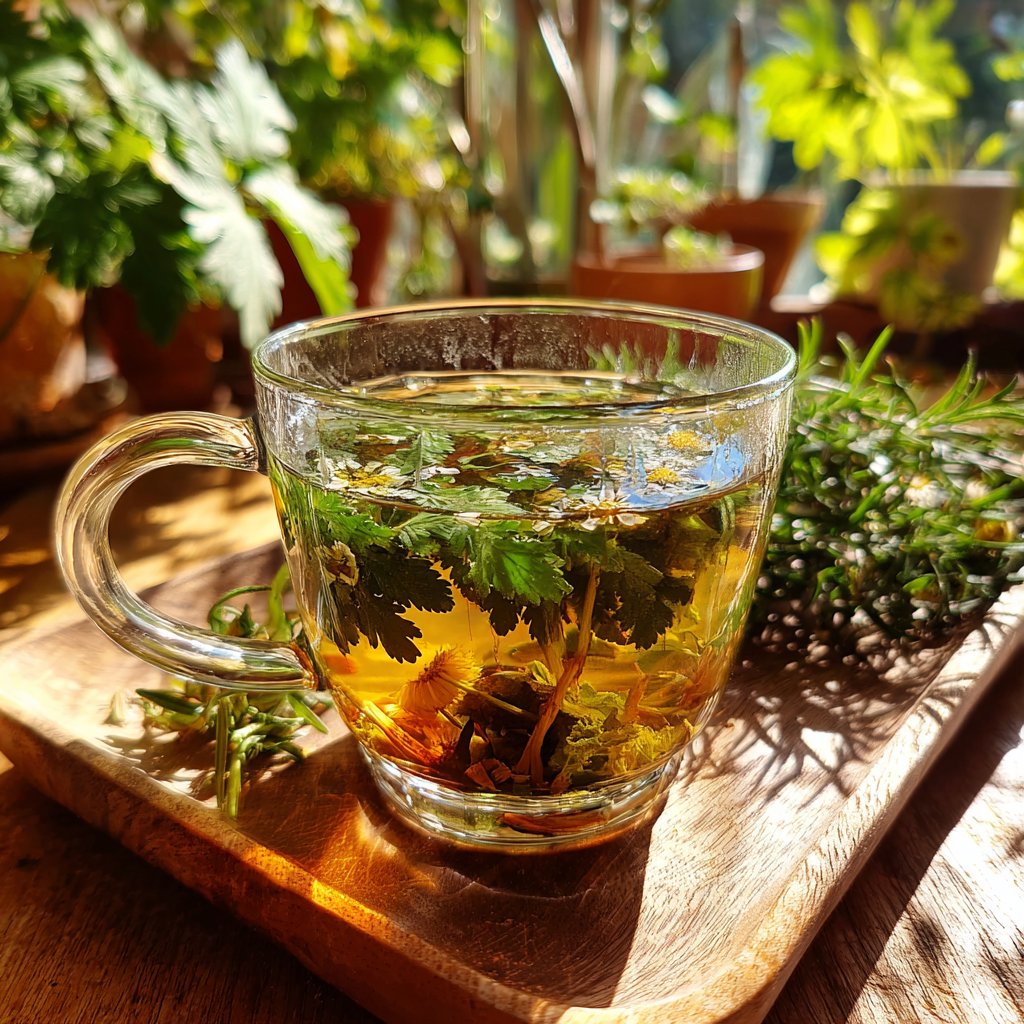
How to Make Soothing Dandelion Rosemary Tea
Boil the Water
In a small pot, bring 2 cups of water to a boil.
Steep the Dandelion
Add the dried dandelion leaves to the boiling water and let it steep for about 5 minutes.
Add Rosemary
Incorporate the fresh rosemary sprig and steep for another 3 minutes.
Strain and Serve
Strain the tea into cups, add honey if desired, and enjoy warm.
For the best flavor, enjoy your tea fresh. You can also save any leftover tea in the refrigerator for a refreshing iced drink the next day!
Pro Tips
- Experiment with adding lemon for a zesty twist or try combining with other herbs like chamomile for added relaxation.
Making Ahead and Storage Tips
Making this tea ahead of time is easy and can save you effort during busy days. Brew a larger batch and store it in the refrigerator for up to three days. When ready to enjoy, simply reheat it on the stovetop over low heat, or pour it into a mug and warm it in the microwave for about 60 seconds. Be careful not to let it boil if you are reheating it; you want to maintain the delicate flavors of the herbs.
If you're short on storage space or prefer convenience, you can also freeze the tea in ice cube trays. Once frozen, these tea cubes can be added to water or used as a base for smoothies. This not only prolongs the life of your tea but allows for a unique twist when mixed into other beverages.
Troubleshooting Common Issues
If you find that your tea is tasting bitter, it may result from over-steeping the dandelion leaves or rosemary. To avoid this, keep a close eye on the steeping time and try using a timer. Similarly, switching to a lighter hand on the fresh ingredients can help control the flavors, especially if you're new to brewing herbal teas.
On the flip side, if your tea is weak in flavor, it could be due to using too little of the dried dandelion or rosemary. Adjusting the measurements to suit your taste can help—maybe start with an extra half tablespoon of dried leaves. Don’t be afraid to experiment until you find the perfect balance that satisfies your palate.
Questions About Recipes
→ Can I use fresh dandelion leaves instead of dried?
Yes, fresh dandelion leaves can be used; however, you may need to adjust the steeping time.
→ Is this tea safe for pregnant women?
While dandelion tea is generally safe, pregnant women should consult their healthcare provider before consuming herbal teas.
→ How can I sweeten the tea naturally?
Honey is a great option, but you can also use maple syrup or agave nectar for sweetness.
→ Can I make a larger batch of this tea?
Absolutely! Just multiply the ingredients according to your desired servings.
Soothing Dandelion Rosemary Tea
Created by: The Spiceandpan Team
Recipe Type: Healthy Choice Recipes
Skill Level: Beginner
Final Quantity: 2 servings
What You'll Need
Tea Ingredients
- 2 cups water
- 1 tablespoon dried dandelion leaves
- 1 sprig fresh rosemary (or 1 teaspoon dried)
- 1 tablespoon honey (optional)
How-To Steps
In a small pot, bring 2 cups of water to a boil.
Add the dried dandelion leaves to the boiling water and let it steep for about 5 minutes.
Incorporate the fresh rosemary sprig and steep for another 3 minutes.
Strain the tea into cups, add honey if desired, and enjoy warm.
Extra Tips
- Experiment with adding lemon for a zesty twist or try combining with other herbs like chamomile for added relaxation.
Nutritional Breakdown (Per Serving)
- Calories: 30 kcal
- Total Fat: 0g
- Saturated Fat: 0g
- Cholesterol: 0mg
- Sodium: 0mg
- Total Carbohydrates: 7g
- Dietary Fiber: 0g
- Sugars: 7g
- Protein: 0g