Global Japanese Sushi Rolls
Highlighted under: Universal Recipes
I love making sushi at home, and my Global Japanese Sushi Rolls have become a cherished recipe in our household. Each bite is a delightful adventure, fusing fresh ingredients with umami flavors that transport me straight to Japan. The best part? It’s surprisingly simple to create a variety of rolls using just a few ingredients and techniques that I learned along the way. Whether it's for a casual family dinner or a fun get-together with friends, these sushi rolls bring everyone together around the table.
In my journey to master sushi-making, I found that using the freshest ingredients is key to achieving that restaurant-quality taste. I experimented with various fillings like spicy tuna and avocado, but the secret really lies in the sushi rice. I learned that rinsing the rice until the water runs clear removes excess starch, resulting in a perfect, sticky texture that holds everything together beautifully.
One tip I can share is to make sure you have a bamboo mat for rolling; it makes the process so much easier and ensures a tight roll. Don’t be afraid to get creative with your fillings or toppings—this recipe is about enjoying the flexibility of flavors!
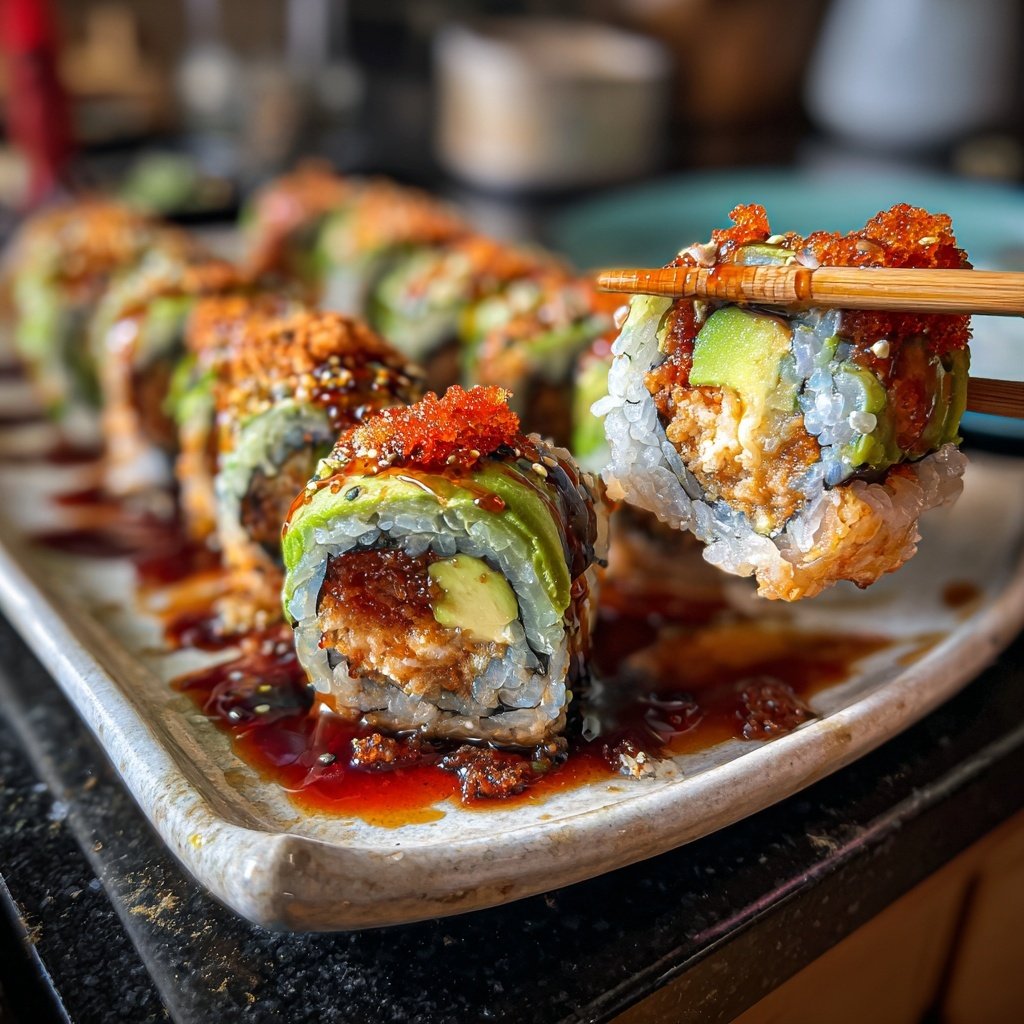
Why You'll Love These Sushi Rolls
- A fun, interactive dining experience perfect for gatherings
- Endless filling variations to suit every palate
- Fresh, healthy ingredients that make each bite a treat
Mastering the Art of Sushi Rice
The key to perfect sushi rolls starts with the rice. Sushi rice, or shari, has a specific short grain that becomes sticky when cooked, ensuring the rolls hold together. After rinsing, cook the rice with precision; the water-to-rice ratio is critical, with 1.25 cups of water per cup of rice. Watch for the bubbling of the water before you reduce the heat, as this marks the perfect moment to cover the pot and simmer.
Once the rice is done cooking, remember to let it rest off the heat. This resting period allows the grains to firm up while absorbing any residual moisture. The seasoning is also essential; the mixture of rice vinegar, sugar, and salt not only adds flavor but helps to enhance the glossy appearance of the rice, making for an attractive sushi presentation.
Creating Fresh and Flavorful Fillings
The beauty of my Global Japanese Sushi Rolls lies in the versatility of the fillings. Fresh vegetables like cucumbers and avocados not only add crunch but also bring a creamy texture that complements the umami flavors. If you're looking for a twist, try adding pickled vegetables for an extra zing or swap out proteins for options like shrimp or tofu, keeping in mind the need for them to be sushi-grade to ensure safety.
Feel free to experiment with flavors. I love to add a drizzle of sesame oil or a sprinkle of sesame seeds over the fillings to heighten their nuttiness. Remember, the balance of flavors is crucial, so don’t overload the rice with too much filling; one or two ingredients per roll is a great rule of thumb to prevent sogginess and tearing.
Rolling Techniques for Sushi Success
When it comes to rolling sushi, practice makes perfect! Start with a firm yet gentle grip on the sushi mat. Begin by rolling the edge of the mat closest to you over the filling while pressing evenly to form a tight roll. If the nori is dry and difficult to seal, a little water should be enough to help it stick; just wet your fingers and run them along the exposed edge.
Finally, when it’s time to slice your rolls, use a sharp knife for clean cuts; soaking the knife in warm water between cuts makes this easier, keeping the rolls intact and preventing them from becoming mushy. Aim for about 1-inch slices for ideal bite-sized pieces, perfect for dipping in soy sauce or serving alongside wasabi and pickled ginger.
Ingredients
Gather these ingredients to get started:
Sushi Ingredients
- 2 cups sushi rice
- 2 1/2 cups water
- 1/2 cup rice vinegar
- 1 tablespoon sugar
- 1 teaspoon salt
- 4 sheets nori (seaweed)
- 1 small cucumber, julienned
- 1 avocado, sliced
- 6 ounces sushi-grade fish (like tuna or salmon), sliced
- Soy sauce, for serving
- Wasabi and pickled ginger, for serving
Feel free to add any other favorite fillings!
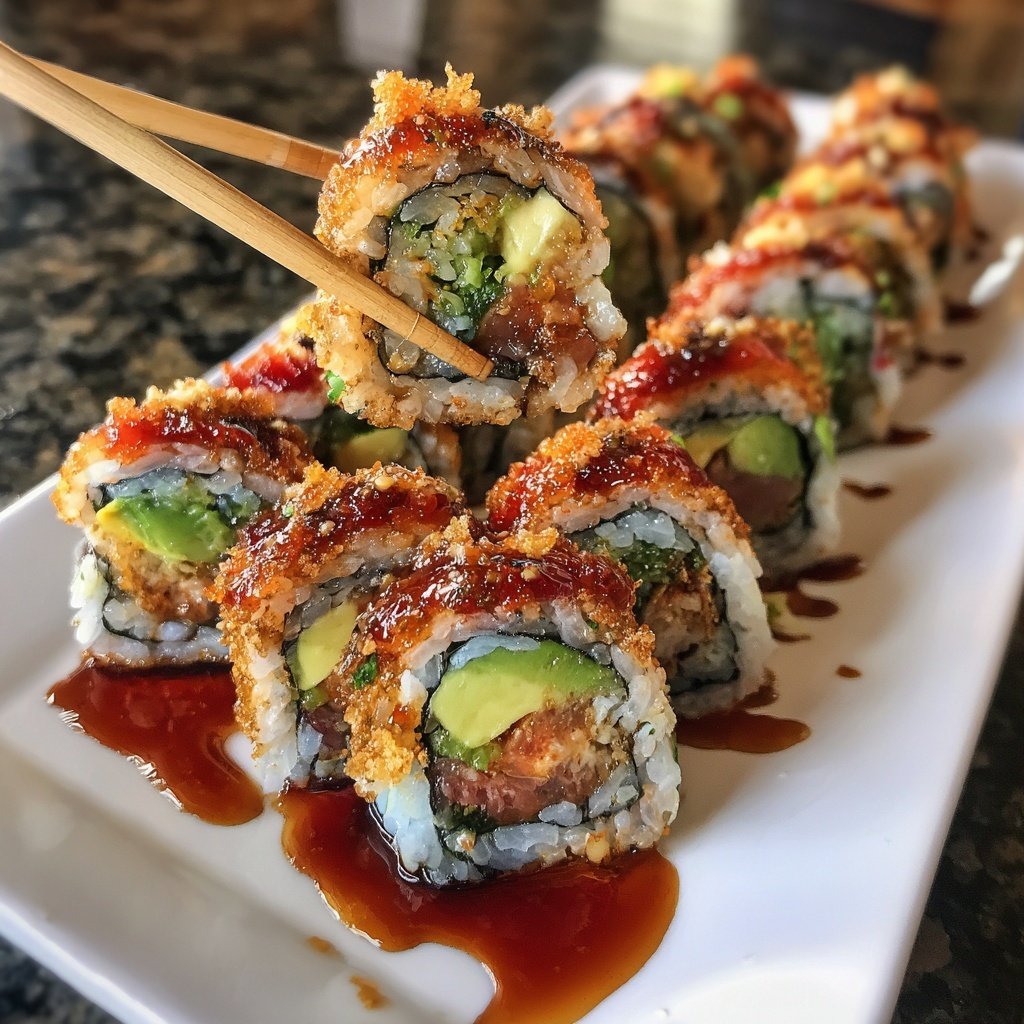
Instructions
Follow these steps to make delicious sushi rolls:
Cook the Sushi Rice
Rinse the sushi rice under cold water until the water runs clear. In a pot, combine the rinsed rice and water, then bring to a boil. Reduce heat, cover, and simmer for 20 minutes. Remove from heat and let sit for 10 minutes.
Season the Rice
In a small bowl, mix the rice vinegar, sugar, and salt until dissolved. Transfer the cooked rice to a bowl and gently fold in the vinegar mixture. Allow to cool to room temperature.
Prepare the Sushi Rolls
Lay a sheet of nori shiny side down on a bamboo sushi mat. Wet your hands and grab about a handful of sushi rice. Spread it evenly over the nori, leaving a 1-inch border at the top edge. Lay your chosen fillings in a line across the center of the rice.
Roll the Sushi
Using the bamboo mat, carefully lift the edge of the mat closest to you and roll it over the fillings, pressing gently but firmly. Continue rolling until you reach the border, then wet it with a little water to seal the roll.
Slice and Serve
Using a sharp knife, slice the roll into bite-sized pieces. Serve with soy sauce, wasabi, and pickled ginger.
Enjoy the fruits of your labor!
Pro Tips
- Always use sushi-grade fish for the best flavor and safety. Experiment with different fillings like crab, tempura, or even vegetables to find your perfect combination!
Make-Ahead and Storage Tips
While sushi is best enjoyed fresh, you can prepare components ahead of time to streamline the process. Cooked sushi rice can be refrigerated in an airtight container for up to three days. If you want to store fillings, cut vegetables like cucumbers and avocados should be kept in water to prevent browning, while sushi-grade fish should be consumed within a day of purchasing to maintain freshness.
You can also prep the sushi rolls and wrap them tightly in plastic wrap before refrigerating. Enjoy them within a few hours for the best texture and flavor. If you're preparing for a gathering, consider having a sushi-making station where guests can customize their rolls with various prepped ingredients.
Troubleshooting Sushi Roll Issues
If you're finding your sushi rolls are falling apart, ensure your rice is sticky enough. This can often be improved by slightly increasing the cooking time or getting the right balance in your rice vinegar mixture. Alternatively, if they appear too wet, reduce the amount of filling or use less rice in your next attempt.
Another common issue is tearing of the nori. Make sure you're using fresh nori, as older sheets can become brittle. If using nori at room temperature, it may help to toast it slightly over an open flame to improve its flexibility and flavor before rolling.
Exploring Global Variations
While the traditional Japanese sushi rolls focus on clean flavors, feel free to borrow influences from other cuisines. For example, include spicy mayo for a kick, or add cream cheese for a richer texture reminiscent of some Western sushi variations. Incorporating unexpected ingredients like mango or even grilled vegetables can create a fusion experience that’s uniquely your own.
Don't hesitate to switch up the type of rice as well; brown rice can be a healthier alternative though it requires a longer cooking time and a bit more water. Your creativity can not only bring new flavors to your table but also cater to different dietary preferences among family and friends.
Questions About Recipes
→ What type of rice is best for sushi?
Short-grain sushi rice is best because it’s sticky and holds together well.
→ Can I make sushi rolls ahead of time?
While it’s best to eat sushi fresh, you can prepare the rice and fillings ahead. Roll just before serving for optimal freshness.
→ What is the best way to store leftover sushi?
Wrap leftover sushi rolls tightly in plastic wrap and keep them in the refrigerator. Consume within 24 hours.
→ Can I make sushi without raw fish?
Absolutely! You can use cooked seafood, vegetables, or even tofu as fillings.
Global Japanese Sushi Rolls
Created by: The Spiceandpan Team
Recipe Type: Universal Recipes
Skill Level: Intermediate
Final Quantity: 4 rolls
What You'll Need
Sushi Ingredients
- 2 cups sushi rice
- 2 1/2 cups water
- 1/2 cup rice vinegar
- 1 tablespoon sugar
- 1 teaspoon salt
- 4 sheets nori (seaweed)
- 1 small cucumber, julienned
- 1 avocado, sliced
- 6 ounces sushi-grade fish (like tuna or salmon), sliced
- Soy sauce, for serving
- Wasabi and pickled ginger, for serving
How-To Steps
Rinse the sushi rice under cold water until the water runs clear. In a pot, combine the rinsed rice and water, then bring to a boil. Reduce heat, cover, and simmer for 20 minutes. Remove from heat and let sit for 10 minutes.
In a small bowl, mix the rice vinegar, sugar, and salt until dissolved. Transfer the cooked rice to a bowl and gently fold in the vinegar mixture. Allow to cool to room temperature.
Lay a sheet of nori shiny side down on a bamboo sushi mat. Wet your hands and grab about a handful of sushi rice. Spread it evenly over the nori, leaving a 1-inch border at the top edge. Lay your chosen fillings in a line across the center of the rice.
Using the bamboo mat, carefully lift the edge of the mat closest to you and roll it over the fillings, pressing gently but firmly. Continue rolling until you reach the border, then wet it with a little water to seal the roll.
Using a sharp knife, slice the roll into bite-sized pieces. Serve with soy sauce, wasabi, and pickled ginger.
Extra Tips
- Always use sushi-grade fish for the best flavor and safety. Experiment with different fillings like crab, tempura, or even vegetables to find your perfect combination!
Nutritional Breakdown (Per Serving)
- Calories: 480 kcal
- Total Fat: 12g
- Saturated Fat: 2g
- Cholesterol: 20mg
- Sodium: 150mg
- Total Carbohydrates: 90g
- Dietary Fiber: 6g
- Sugars: 3g
- Protein: 15g